
Outward Hound Challenge Slider Review: Is This Level 3 Dog Puzzle Worth It?
A real at-home review of the Challenge Slider with Loki, including who should buy it, who should skip it, how long it lasted, what food worked best, and the problems to watch for.
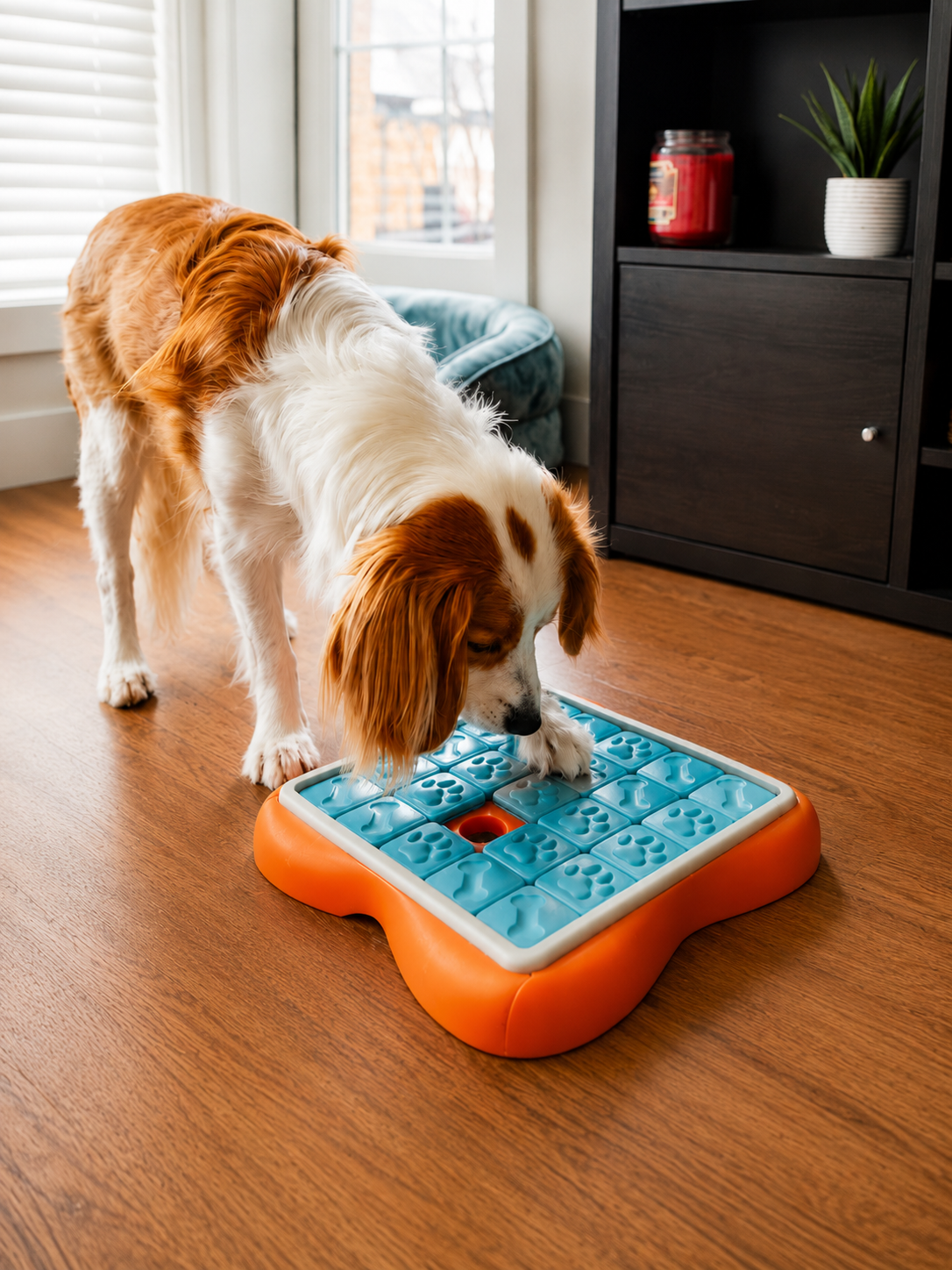
Some dog puzzle toys look fun online but are finished in less than a minute. Others are so difficult that your dog gets frustrated, starts chewing, or gives up completely. I tested the Outward Hound Challenge Slider with my dog, Loki, to see where it fits, who it is best for, and whether it is actually useful as an indoor enrichment activity.
Affiliate disclosure: As an Amazon Associate, I earn from qualifying purchases. This does not cost you extra. This review is based on my own hands-on use with Loki.
Best for Dogs Who Already Understand Puzzle Toys
The Outward Hound Challenge Slider is worth considering if your dog has already tried easier puzzle toys and needs something more challenging. It was not an instant-win toy for Loki, which is exactly what made it useful.
Buy It If...
Your dog already understands treat puzzles, enjoys working for food, and needs a harder indoor brain game for rainy days, quiet evenings, apartment life, or work-from-home breaks.
Skip It If...
Your dog is brand new to puzzles, gets frustrated quickly, chews plastic, guards food toys, or tries to flip and chew puzzles instead of solving them.
My honest take
This is a good “next step” puzzle, not a first puzzle. Loki completed it in about 15 minutes, but he had to work for it. I like it most as a short, supervised enrichment session with kibble or small dry treats.
Photos From Testing the Puzzle at Home
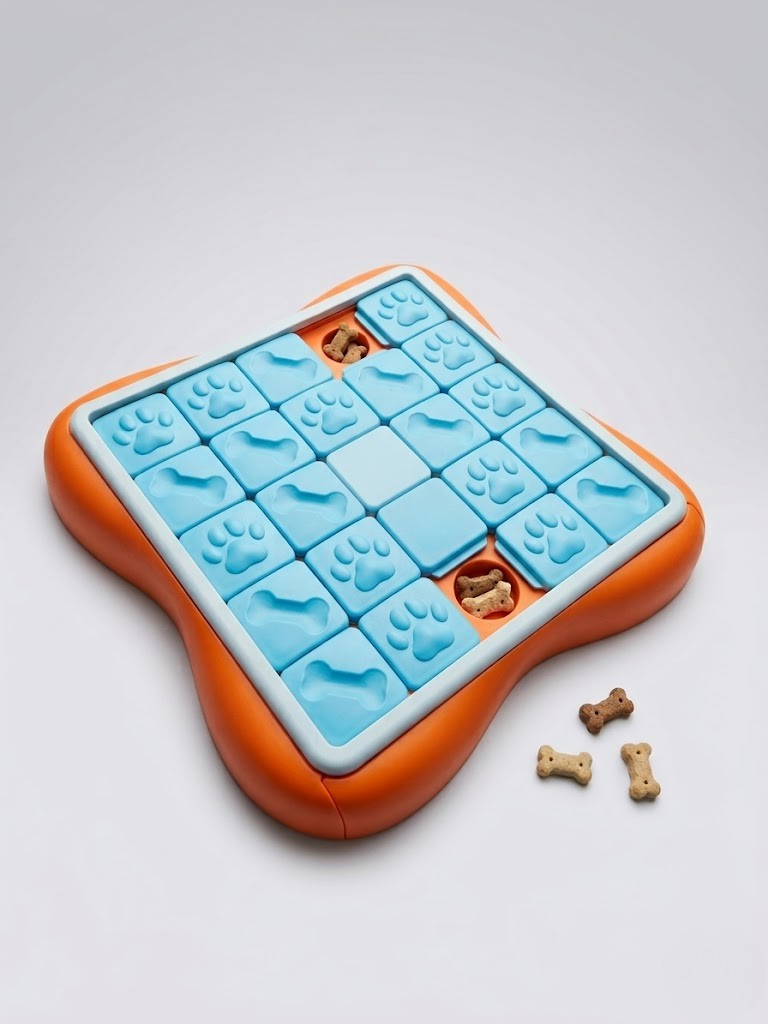
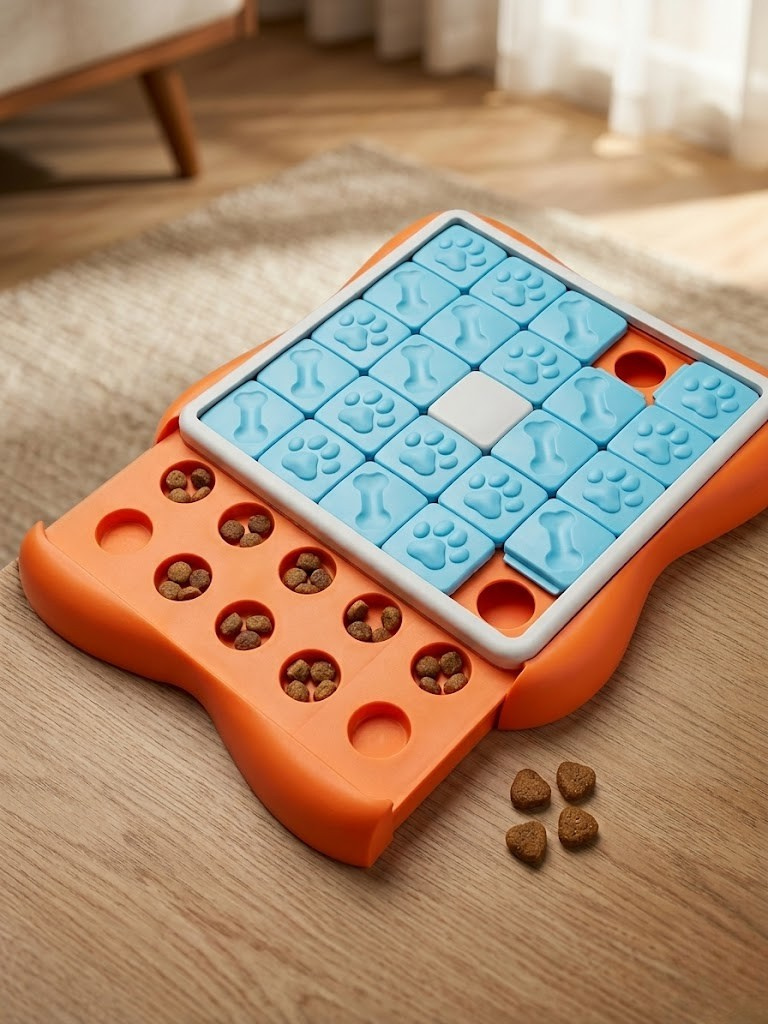
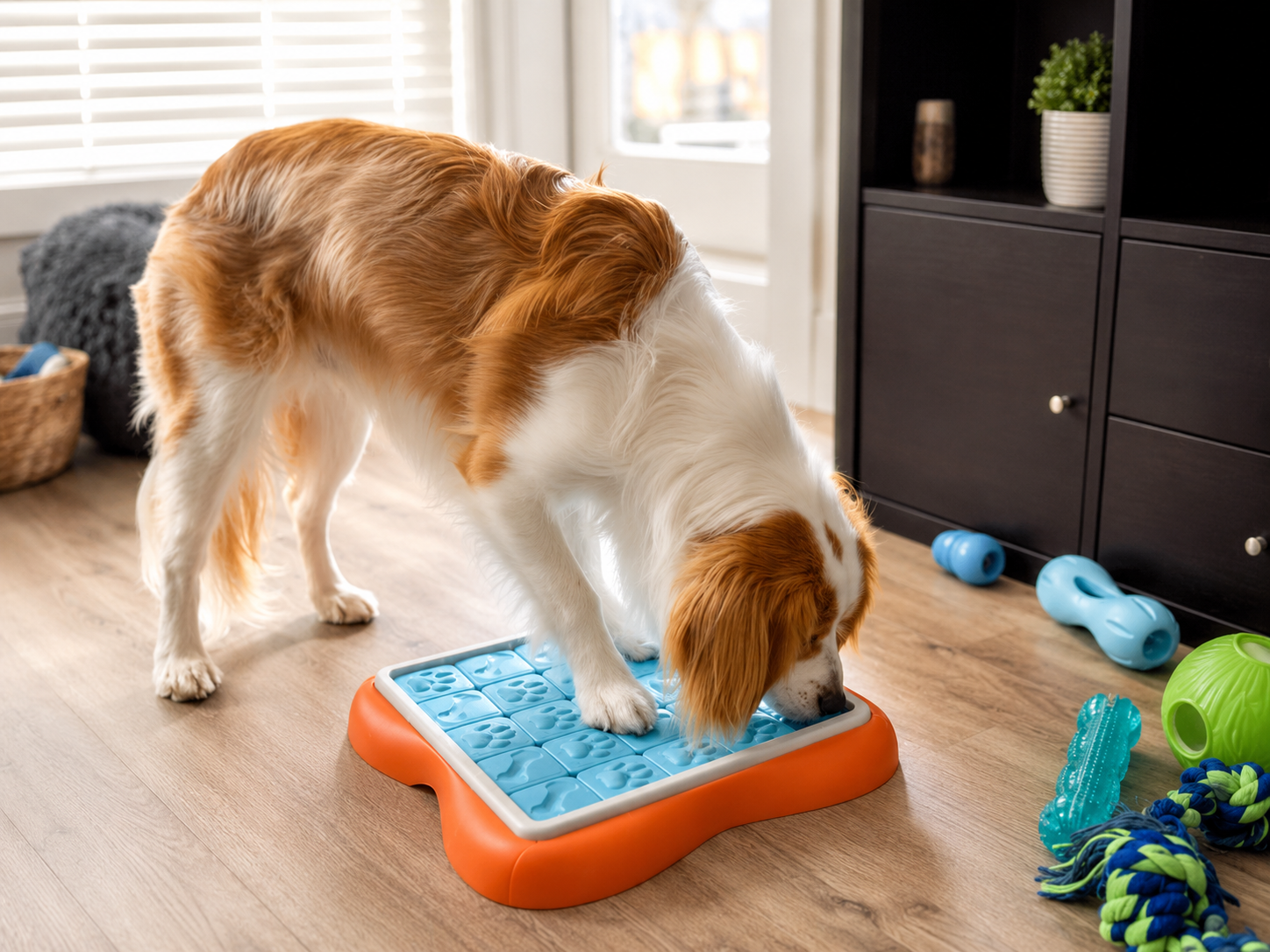
Real photos matter in a product review because they show how the toy actually looks outside of a product listing. These pictures show the puzzle closed, how the tray opens, and Loki using it during a real enrichment session.
Outward Hound Challenge Slider Review Summary
| Category | My Take | What This Means for Your Dog |
|---|---|---|
| Difficulty | Advanced | Better for dogs who have already used easier puzzle toys. |
| Loki’s test time | About 15 minutes | Long enough to be useful, but not a full “keep them busy for an hour” activity. |
| Best food type | Dry kibble or small dry treats | Easiest to load, easiest to clean, and less messy than wet food. |
| Best use | Short supervised enrichment | Good for rainy days, quiet afternoons, work breaks, and indoor mental stimulation. |
| Durability | Good for puzzle use, not chewing | Pick it up when the food is gone so your dog does not chew the plastic. |
| Would I buy it again? | Yes, for the right dog | I would buy it for a puzzle-experienced dog, not as a very first enrichment toy. |
How I Tested the Challenge Slider With Loki
I tested this puzzle as a real indoor enrichment session, not just as a product photo prop. I wanted to see whether Loki could understand it, how long it actually held his attention, and whether it felt practical enough to use again.
Why this matters
Some puzzle toys look impressive online but are either too easy or too frustrating in real life. The Challenge Slider landed in the middle for Loki: challenging enough to be useful, but not so difficult that he quit.
What Is the Outward Hound Challenge Slider?
The Outward Hound Challenge Slider is an interactive treat puzzle from the Nina Ottosson by Outward Hound line. It is designed for dogs to slide tiles around the top of the board to uncover hidden kibble or treats.
Outward Hound describes the Challenge Slider as a Level 3 advanced dog puzzle for dogs who have already mastered easier Level 1 and Level 2 puzzles. The puzzle has a pull-out tray with 24 treat compartments and can hold up to 1 cup of food total.
In real life, I would treat this as a supervised puzzle session, not a regular toy that stays on the floor. Fill it, use it, clean it, and put it away.
How the Puzzle Opens and Holds Treats
The tray pulls out from underneath the puzzle. You add kibble or treats into the small compartments, slide the tray back in, place the puzzle on the floor, and let your dog move the top pieces to find the hidden food.
What makes this puzzle more challenging is that your dog has to move the tiles around instead of simply lifting one flap or knocking over one cup. Dogs may need to move pieces left, right, forward, and backward to find the food.
For Loki, this made the puzzle more interesting than a beginner toy. He had to sniff, test the pieces, and keep searching instead of getting rewarded immediately.
How I Would Introduce This Puzzle the First Time
This is where many people accidentally make the puzzle too hard. A good first session should build confidence, not prove how smart your dog is.
Use high-smell treats
Use a few small treats your dog really likes. Dry treats are easiest for this puzzle.
Do not fill every slot
Start with a few obvious wins so your dog learns that moving the pieces pays off.
Help once or twice
Slide a piece slowly and let your dog eat the treat so they understand the game.
End before frustration
Pick it up if your dog starts biting, flipping, barking, or getting annoyed.
My best beginner tip
Use this puzzle when your dog is interested but not frantic. If your dog is too hungry, overstimulated, or tired, they may be more likely to get frustrated or chew instead of solve.
How Loki Used the Challenge Slider
Loki started by sniffing the top of the puzzle and checking where the food smell was coming from. At first, he tried the usual dog strategies: sniffing, licking, nudging, and pawing at the pieces.
After a little experimenting, he started figuring out that the sliders moved. That was the point where the puzzle became more useful. It was not just a snack holder. It became a problem-solving activity.
Loki completed the puzzle in about 15 minutes. That is a good amount of time for a short enrichment activity because it gave him something focused to do without turning into a frustrating, never-ending task.
How Long Will the Outward Hound Challenge Slider Keep a Dog Busy?
For most dogs, I would expect this puzzle to last about 5 to 15 minutes. Loki took about 15 minutes, which felt like a realistic and useful enrichment session.
First-time dog
May take 10–20 minutes with help, depending on confidence and puzzle experience.
Experienced puzzle dog
May finish in 5–10 minutes once they understand the movement pattern.
Food-motivated dog
May solve it faster because they are more persistent about finding every treat.
Easily frustrated dog
May need a shorter session, fewer hidden treats, and more help at the start.
Do not expect it to occupy your dog for an hour
This is a short mental workout, not a full-day boredom solution. That is not a bad thing. A focused 10-minute puzzle session can still be very useful before a nap, after a walk, during bad weather, or when your dog needs a calm indoor activity.
What I Liked
It Was Actually Challenging
A lot of puzzle toys look more complicated than they are. This one required Loki to keep trying different movements, which made it feel more useful for mental enrichment.
It Encouraged Natural Behaviors
Loki sniffed, searched, nudged, pawed, and problem-solved. Those are exactly the kinds of normal dog behaviors enrichment toys should support.
It Works With Kibble
You do not need to use expensive treats. Using part of your dog’s regular meal can make the activity more practical and lower in extra calories.
The Tray Is Easy to Understand
The pull-out tray makes it clear where the food goes, which is helpful when you are setting it up.
Good for Indoor Days
This is useful for rainy days, icy days, apartment life, quiet evenings, or times when your dog needs mental work more than another high-energy game.
It Can Be Made Harder
You can hide food in fewer compartments, use smaller kibble, or use the frozen tray idea carefully for a longer challenge.
What I Did Not Like
I like this puzzle, but I would not recommend it for every dog. The biggest downside is that it can be too much for dogs who have never used puzzle toys before.
Not the Best First Puzzle
A true beginner dog may get confused, frustrated, or start chewing instead of solving. I would start easier and work up to this.
Not for Unsupervised Use
This is not a leave-it-out toy. Once the food is gone, the puzzle should be picked up and stored.
Can Be Annoying With Sticky Food
Dry food is much easier. Wet food, peanut butter, yogurt, or pumpkin can get into the small spaces and make cleanup more annoying.
My cleaning note
Even though some listings mention wet food, I would personally use dry kibble or small dry treats most of the time. If I want to use wet food, peanut butter, yogurt, or pumpkin, I would choose a lick mat instead.
Best Treats or Food to Use in the Challenge Slider
The best food for this puzzle is small, dry, and easy to clean. For regular use, kibble is my first choice.
Good Options
- Regular kibble
- Small dry training treats
- Freeze-dried treats broken into tiny pieces
- Small crunchy treats
- A mix of kibble and a few higher-value treats
What I Would Avoid
- Large treats that can get stuck
- Sticky foods that are hard to clean
- Messy wet foods unless you are prepared to clean carefully
- Too many rich treats if your dog has a sensitive stomach
- Anything unsafe for dogs, including xylitol, chocolate, grapes, raisins, onion, or garlic
Simple daily use idea
Take a small handful of your dog’s normal meal, hide it in the puzzle, and give the rest of the meal normally. This makes breakfast or dinner more interesting without adding lots of extra treats.
My Frozen Tray Hack for Making It Last Longer
One thing I tested with Loki was adding treats to the tray, pouring a small amount of water over them, and freezing the tray flat for a few hours. This made the puzzle last longer because Loki had to work through the frozen pieces instead of finding dry treats right away.
Add dry food
Place kibble or small treats into some of the tray compartments.
Add a little water
Use just enough water to freeze around the food. Do not overfill the tray.
Freeze flat
Freeze the tray flat for a few hours, then slide it back into the puzzle before giving it to your dog.
Safety note
This is my own testing idea, not a reason to leave the puzzle unattended. Use it only if your dog does not chew the puzzle. Supervise closely, let the tray soften for a few minutes if needed, and remove the toy if your dog starts biting or prying at the plastic.
How to Make the Challenge Slider Easier or Harder
Make It Easier
- Use smellier treats at first.
- Put treats in easier-to-find compartments.
- Slide one piece yourself to show your dog the idea.
- Keep the session short.
- Stop before your dog gets frustrated.
Make It Harder
- Use fewer treats.
- Hide food in fewer compartments.
- Use smaller kibble pieces.
- Let your dog solve more of it independently.
- Use the frozen tray method carefully for a longer challenge.
The goal is not maximum difficulty
The best difficulty level is the one where your dog stays curious and engaged without getting annoyed. If your dog starts chewing, barking, or flipping the puzzle, make it easier next time.
Who Is the Outward Hound Challenge Slider Best For?
A good next step after snuffle mats, slow feeders, and easier puzzles.
Dogs who enjoy working for kibble or treats are more likely to stay engaged.
Helpful for rainy days, apartment life, quiet evenings, and work-from-home breaks.
It can turn a small amount of kibble into a more focused activity.
Who Should Skip It?
Skip It for Now If Your Dog...
- Has never used a puzzle toy before
- Gets frustrated very quickly
- Chews plastic toys aggressively
- Tries to flip puzzles instead of solving them
- Guards food toys around people or other pets
- Needs very easy confidence-building games
Try These First Instead
- A snuffle mat
- A slow feeder bowl
- A beginner puzzle toy
- A towel roll with kibble
- A lick mat
- A simple scatter feeding game
Challenge Slider vs. Other Dog Enrichment Toys
| Toy Type | Best For | How It Compares |
|---|---|---|
| Challenge Slider | Experienced puzzle dogs | More challenging and problem-solving focused than many beginner toys. |
| Snuffle mat | Beginners and sniffing | Easier and more natural for most dogs, but usually less mentally complex. |
| Lick mat | Calm licking and wet foods | Better for soft foods, grooming practice, and calming routines. |
| Slow feeder bowl | Fast eaters | Better for full meals, but usually less interesting as a problem-solving game. |
| Beginner puzzle toy | New puzzle users | A better first step before trying a Level 3 puzzle like this one. |
Durability Rating: 3.5 out of 5
For supervised puzzle play, the Challenge Slider feels useful and sturdy enough. But I would not call it heavy-duty because it is not made to be chewed.
Durability takeaway
Good for dogs who use their nose and paws. Not ideal for dogs who bite, pry, or chew enrichment toys after the food is gone.
How to Clean the Challenge Slider
For easiest cleaning, empty the puzzle right after use and rinse away crumbs before they dry into the compartments. Outward Hound says the toy can be cleaned with mild soap and warm water after the compartments are emptied.
Kibble and dry treats are easiest to shake out and rinse away.
Do not let food dust or softened kibble sit in the grooves for days.
Clean the tray and the top pieces, then let everything dry fully.
Throw away damaged enrichment toys if pieces could break off.
Common Challenge Slider Problems and Fixes
My dog gives up.
Make it easier. Use smellier treats, help slide the first piece, and reward small progress instead of waiting for the full puzzle to be solved.
My dog chews it.
Pick it up immediately. This puzzle is not a chew toy. Try a snuffle mat, scatter feeding, or a more durable stuffed rubber toy instead.
My dog finishes too fast.
Use fewer treats, smaller pieces of kibble, or the frozen tray method. You can also use it after a short walk when your dog is calmer.
My dog flips it.
Use it on a non-slip surface and make the first session easier. If your dog keeps flipping it, this may not be the right puzzle style.
It is annoying to clean.
Use dry food only. Save wet food, pumpkin, yogurt, peanut butter, and canned food for lick mats instead.
My dog gets frustrated.
Shorten the session. Help them succeed once, then put the puzzle away while the experience is still positive.
Safety Notes Before Using This Puzzle
Puzzle toys are enrichment tools, not babysitters. The safest way to use this puzzle is to supervise, teach your dog how it works, and remove it when the food is gone.
- Choose a puzzle level that matches your dog’s experience.
- Supervise every session.
- Do not let your dog chew the puzzle or pieces.
- Remove the puzzle when the food is gone.
- Inspect the toy for damage before each use.
- Use dog-safe foods and avoid unsafe ingredients.
- Use separate feeding spaces if you have multiple pets.
Resource guarding note
If your dog stiffens, growls, snaps, or guards food puzzles, do not test them around people or other pets. Use management and contact a qualified reward-based trainer or veterinary behavior professional.
When I Would Use This Puzzle
Rainy Day Reset
Short potty break, 5 minutes of easy training, then the Challenge Slider with part of breakfast or dinner.
Work-From-Home Break
Use it before a planned rest period, not when your dog is already bouncing off the walls.
Evening Calm Activity
Offer the puzzle after a walk or sniffing game, then put it away and encourage quiet time.
Check the Outward Hound Challenge Slider on Amazon
This is the exact style of puzzle reviewed in this article. I would consider it for a dog who has already tried easier puzzles and needs a harder food-based activity.
Outward Hound Challenge Slider
Best for puzzle-experienced dogs who need a harder indoor enrichment activity with kibble or small dry treats.
Before you buy
Buy this if your dog enjoys solving puzzles. Choose something easier if your dog is new to enrichment toys, chews plastic, or gets frustrated quickly.
Prices and availability can change on Amazon, so check the listing details before purchasing.
Affiliate disclosure: As an Amazon Associate, I earn from qualifying purchases. This does not cost you extra.
Outward Hound Challenge Slider FAQ
Is the Outward Hound Challenge Slider good for beginners?
Not as a first puzzle for most dogs. I would start with a snuffle mat, slow feeder, towel roll, or easier puzzle first. The Challenge Slider is better once your dog understands that moving objects can reveal food.
How long did it keep Loki busy?
Loki completed the puzzle in about 15 minutes. That felt like a good length for a short indoor enrichment session.
Can I leave my dog alone with this puzzle?
No. Use it as a supervised puzzle toy only. Pick it up when the food is gone so your dog does not chew or damage it.
What food works best in the Challenge Slider?
Small dry food works best. I would use kibble, small dry training treats, or broken freeze-dried treats. Sticky foods are harder to clean.
Can I use wet food in the Challenge Slider?
You can, but I would not make that my regular choice because wet food can be harder to clean from the small spaces. For wet food, a lick mat is usually easier.
Is this puzzle good for heavy chewers?
It is not my first choice for heavy chewers. If your dog tries to bite, pry, or chew the puzzle, remove it and choose a different enrichment option.
Can I freeze the Challenge Slider tray?
I tested adding treats and a little water to the tray, then freezing it for a longer challenge. Only do this with supervision, and remove the puzzle if your dog starts chewing or prying at the plastic.
Is the Challenge Slider worth it?
Yes, if your dog already enjoys puzzle toys and needs something harder. No, if your dog is brand new to puzzles, gets frustrated quickly, or is likely to chew the toy.
Product Details and Safety References
This review is based on my own hands-on use with Loki, plus official product details from Outward Hound and general pet safety references.
This article is for general educational purposes and is not a replacement for veterinary care, nutrition advice, or professional training support. Always supervise enrichment toys and choose activities that fit your dog’s size, age, chewing style, health, and comfort level.
Is the Outward Hound Challenge Slider Worth It?
Yes, I think the Outward Hound Challenge Slider is worth it for the right dog. It is best for dogs who already understand easier puzzle toys and need a more challenging indoor activity.
Loki completed it in about 15 minutes, and I liked that it made him slow down, sniff, problem-solve, and work for his food. It felt more useful than a puzzle that is solved instantly.
I would not choose it as a first puzzle for a dog who frustrates easily, and I would not leave it out as a chew toy. But for a supervised enrichment session with kibble or dry treats, it is a strong option.
Affiliate disclosure: As an Amazon Associate, I earn from qualifying purchases. This does not cost you extra.
Written by the Enriched Pups Team
The Enriched Pups Team creates practical dog enrichment guides, product reviews, lick mat recipes, puzzle toy tips, and indoor activity ideas for everyday dog owners.
Our content is published under the Enriched Pups Team name for privacy, consistency, and brand clarity. Articles are based on hands-on at-home testing, real dog owner experience, product research, and safety-focused editing.
We are not veterinarians or certified dog trainers. Our content is intended to help dog owners make enrichment easier and more practical, not replace professional veterinary, nutrition, or training advice.
Learn more about Enriched Pups